
HOW MANY LOCHS AND LOCHANS ARE IN LOCHINVER, ASSYNT?
WHAT VISITORS IN LOCHINVER SHOULD KNOW
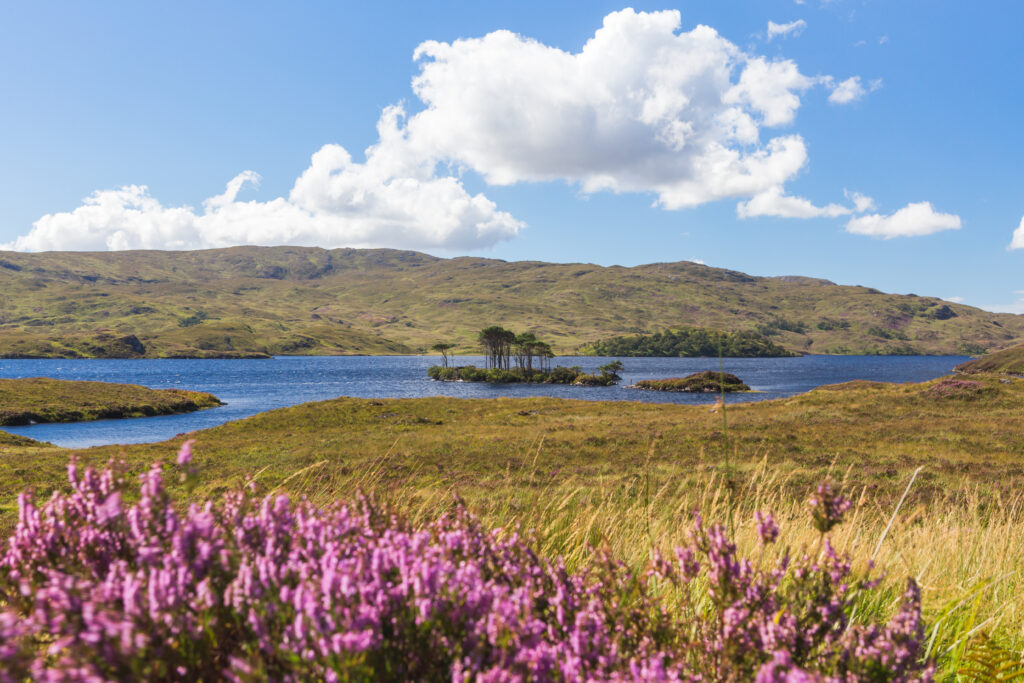
Assynt is one of the most water-rich landscapes anywhere in Scotland, with a concentration of lochs and lochans unmatched across the Highlands. The combination of ancient rock, deep glacial carving, and rolling peatlands has created an extraordinary mosaic of freshwater bodies — large, small, hidden, and dramatic.
OVER 300 NAMED LOCHS
While exact figures vary, most geological and cartographic surveys consistently record more than 300 officially named lochs within Assynt. These include large iconic waters such as:
Loch Assynt
A large, iconic freshwater loch famous for Ardvreck Castle and sweeping views toward Quinag and Canisp. One of Assynt’s most photographed locations.
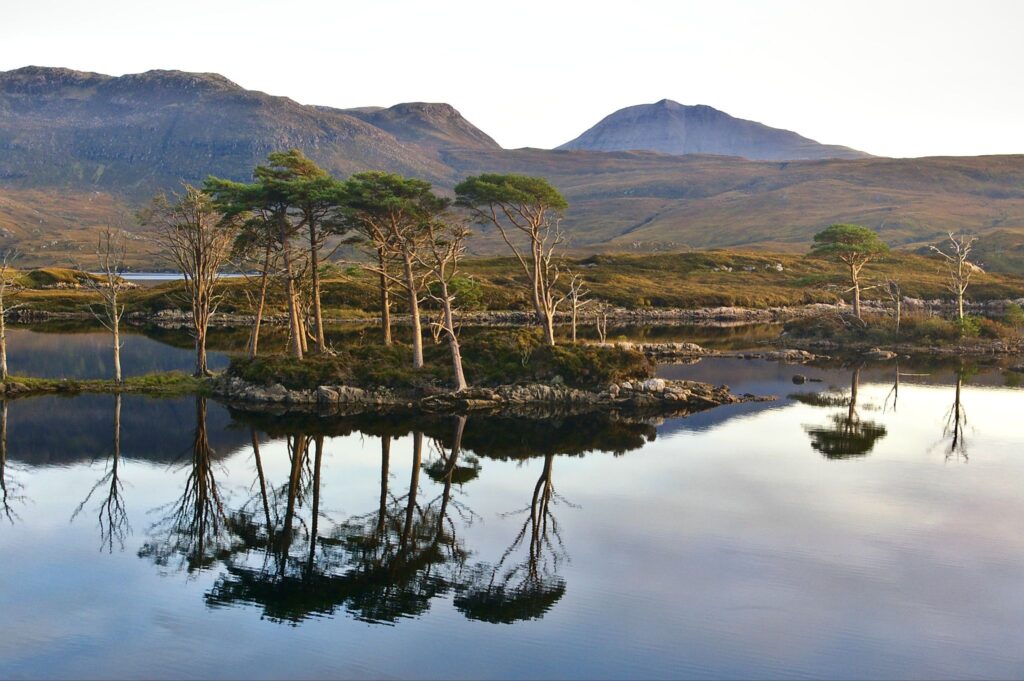
Cam Loch
A long, scenic loch offering classic views of Suilven and Canisp. Popular with walkers, photographers, and anglers, and easily accessed from the Elphin–Lochinver road.
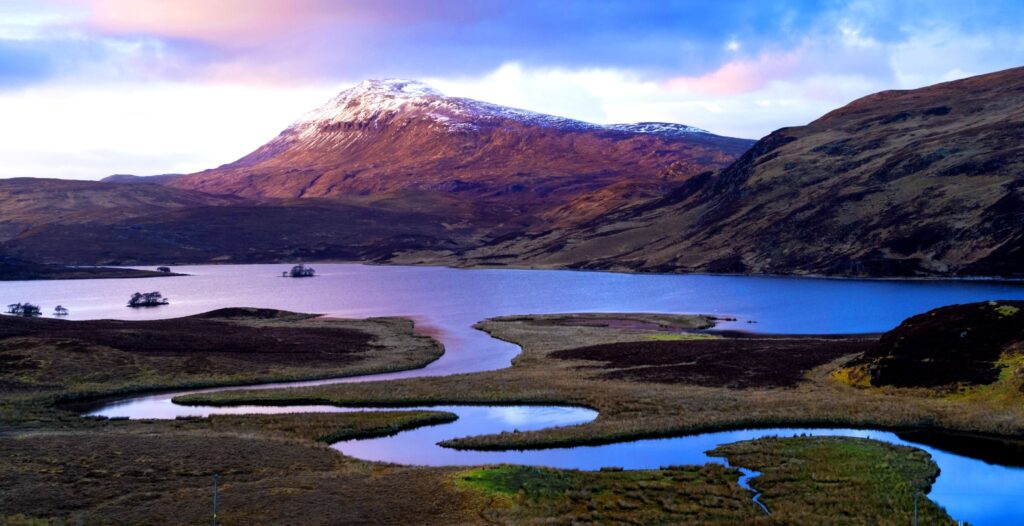
Loch Lurgainn
Set beneath Stac Pollaidh, this striking loch is known for dramatic reflections and panoramic viewpoints along the winding single-track road toward Achiltibuie.
Loch Druim Suardalain
A peaceful loch close to Lochinver, often visited by those heading to the start of the Suilven trail. Calm, sheltered waters and woodland surroundings make it perfect for short walks.
Loch Sionascaig
A large, island-studded loch deep within the Inverpolly Reserve. Remote and wild, it offers some of the most atmospheric scenery in Assynt.
Loch Veyatie
A narrow, linear loch stretching between Suilven and Cùl Mòr. Known for its serene stillness, excellent fishing, and uninterrupted Highland views.
These lochs are known for their distinct shapes, impressive backdrops, and popularity with walkers, photographers, and anglers.
OTHER NOTABLE LOCHS NEAR LOCHINVER
Beyond the major lochs of Assynt, several smaller or lesser-known lochs offer beautiful scenery and peaceful spots for walking, photography, and quiet exploration.
Loch Ardbhair
A sheltered sea loch just south of Lochinver, known for calm waters, tidal inlets, and scenic viewpoints along the coastal road.
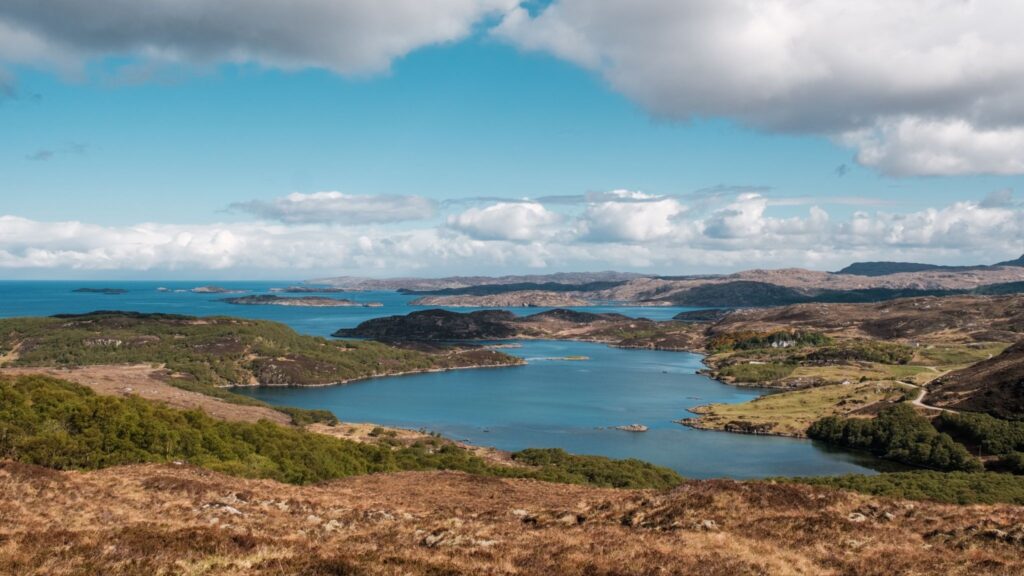
Loch Awe (near Ledbeg)
A small freshwater loch close to Ledbeg, offering open views toward the surrounding moorland and nearby Assynt peaks.
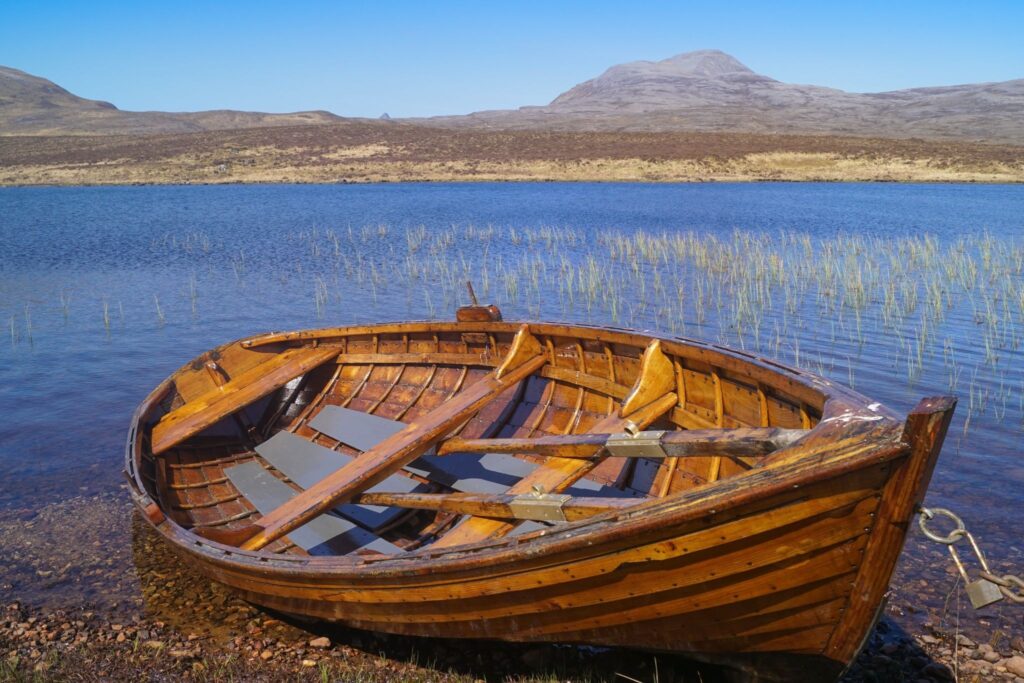
Loch Maree
One of Scotland’s most celebrated lochs, located south of Assynt. Known for its islands, ancient pinewoods, and dramatic backdrop, it’s a worthwhile stop when travelling toward Wester Ross.
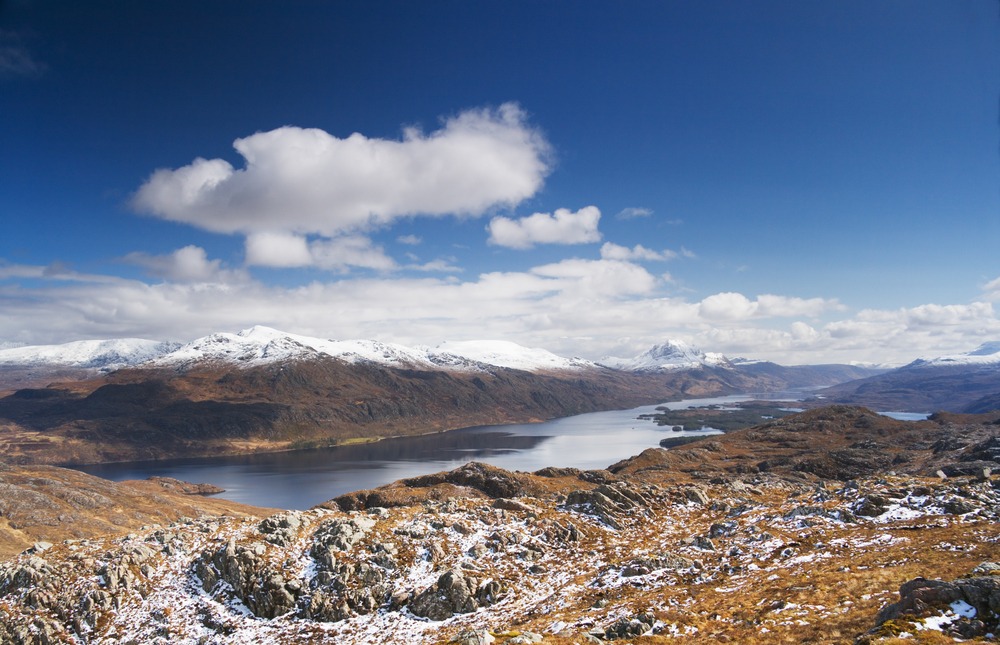
Loch na Gainmhich
A compact roadside loch near Knockan Crag, often visited before or after walking to the beautiful Wailing Widow Falls.
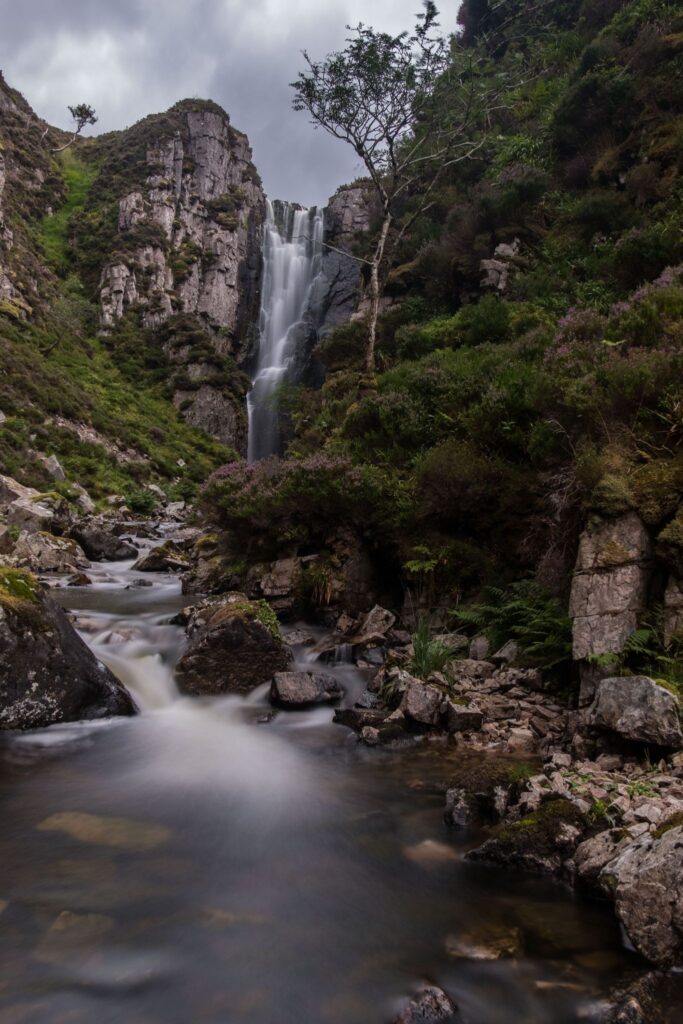
Loch Nedd
A long, narrow sea loch stretching toward Nedd village, with peaceful coastal scenery and wildlife spotting opportunities along the single-track road.
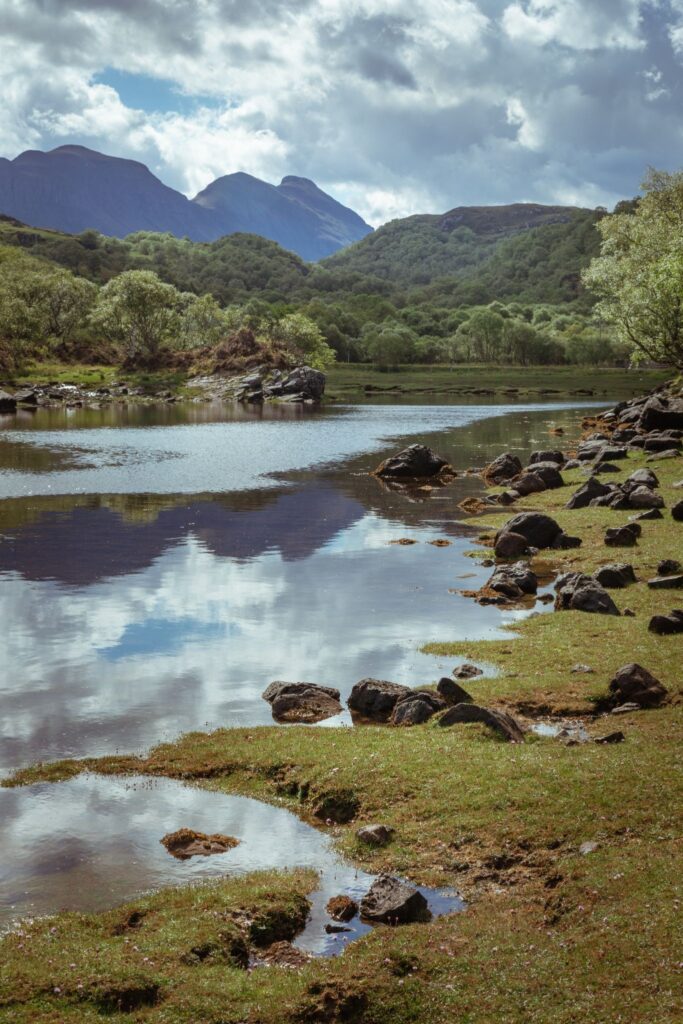
THOUSANDS OF LOCHANS ACROSS THE LANDSCAPE
Beyond the named lochs, Assynt contains thousands of lochans — small pools, kettle holes, and water-filled basins spread across moorland and rocky terrain. Many of these are unnamed, some barely larger than a pond, and others large enough to reflect entire mountain silhouettes on still days.
These lochans were formed as glaciers retreated and left behind thousands of depressions in the ancient Lewisian gneiss. Over time, rainfall and groundwater filled these hollows, creating the shimmering patchwork of water that Assynt is famous for today.
WHY ASSYNT HAS SO MANY LOCHS
A LANDSCAPE SCULPTED BY ICE & DEEP TIME
Assynt sits on the oldest rock in Britain — Lewisian gneiss, which is around 3 billion years old. Over millions of years, multiple glaciations scraped and shaped this tough landscape, leaving behind:
- Deep troughs (now the region’s largest lochs)
- Smaller hollows and basins (now lochans)
- Scattered ridges and moor that allow water to gather naturally
This unique geological makeup is the key reason Assynt holds such a remarkable number of freshwater bodies in such a concentrated area.
PERFECT CONDITIONS FOR WATER TO SETTLE
Assynt’s terrain is also rich in peat, rainwater, and natural drainage channels — all of which help sustain lochs and lochans year-round. Even in dry spells, many remain full due to groundwater seepage through the gneiss bedrock.
WHAT THIS MEANS FOR VISITORS
ENDLESS WATER VIEWS FROM EVERY DIRECTION
Driving, walking, or even relaxing at Waterloo Lodge or The Hideaway, you’ll notice lochs and lochans appear everywhere — along roadsides, tucked beneath hills, or stretching out into vast reflective surfaces.
This abundance of water makes Assynt:
- A photographer’s paradise
- A peaceful retreat for those seeking quiet scenery
- A haven for wildlife such as otters, trout, red-throated divers, and deer
- A perfect destination for NC500 travellers exploring dramatic Highland landscapes
NEARBY LOCHS AROUND WATERLOO LODGE & THE HIDEAWAY
From both properties, guests can enjoy views of and easy access to:
- Lochinver Bay
- Loch Roe
- Loch Inver
- Loch Druim Suardalain
- Loch Assynt (short drive)
- Cam Loch (short drive)
On clear days, long views stretch across the water, with shifting light creating ever-changing colours — from calm mirror-like mornings to golden reflections at dusk.
STAY AMONG ASSYNT’S LOCHS
YOUR BASE FOR EXPLORING ASSYNT & THE NC500
Waterloo Lodge and The Hideaway offer an ideal base for exploring the many lochs and lochans surrounding Lochinver. Every loch listed above is within easy reach, and the wider area offers scenic walks, fishing spots, and breathtaking viewpoints suitable for all visitors.
Whether you plan to wander along the shoreline, take photographs, enjoy a bit of wild swimming, or simply take in the views from the hot tub, this part of Scotland provides a tranquil and unforgettable Highland experience.
FINAL THOUGHTS
Assynt is a land shaped by water — hundreds of lochs, thousands of lochans, and endless opportunities to explore.
For visitors travelling the NC500 or staying in Lochinver, there’s no better place to experience the tranquillity and natural power of Scotland’s wild landscape.
Which loch in Lochinver or Assynt is your favourite and what makes it special to you?
Share your thoughts in the comments below!